

Remodeling
Remodeling means something different to everyone who says it. So the estimate starts by writing down which one you mean — room by room, surface by surface, in words both of you can point at later.
- Free Estimates
- 5-Year Warranty
- Serving Rapid City & the Black Hills
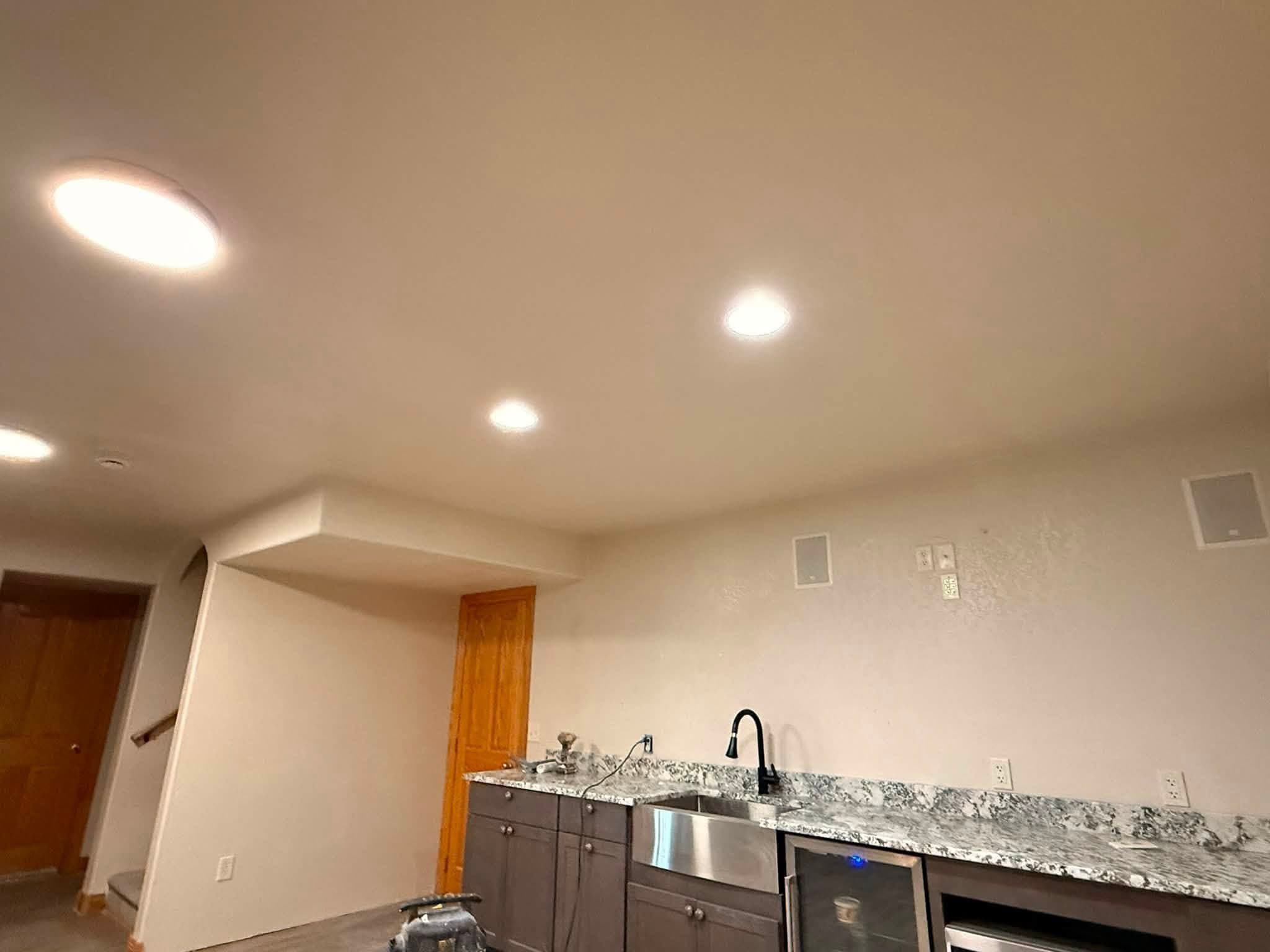
What the work involves
How a remodel is set up
- A written scope before any date is discussed
- The finish work on this site as one job: drywall, texture, paint, stain
- A change put in writing the moment something behind a wall changes the job
- One agreement about what happens to the room while it is out of service
The most expensive thing in a remodel is a scope nobody wrote down. Not the tile, not the fixtures — the sentence that was never agreed about who was doing what, and what happens when the job turns out to be different from the plan. That is why this page is about scope before it is about work.
Three of the four things on this site are finish trades: painting, staining, and drywall and texture. A remodel that touches structure, wiring, gas or plumbing brings other trades onto the property, and who holds which piece of the job — and who answers for it — gets settled in writing before anyone starts, not while a wall is open.
Selections move the schedule more than labour does. Jobs sit waiting on a decision, a delivery, or a fixture that turned out to be back-ordered far more often than they sit waiting on a trade to show up. Deciding early is the cheapest thing a homeowner can do and the easiest thing to put off.
Order of operations is not negotiable, and it is why a room can look worse for longer than you expected. Rough work has to be finished, inspected where inspection applies, and closed up before finish work can start — and finish work is the part that takes a day and gets photographed.
Older houses keep surprises behind the drywall. Something is out of square, undersized, patched by somebody in 1974, or simply not where it was supposed to be. Every one of those is a change to scope, to cost, or to the date, and the honest way to handle it is in writing before the work carries on — not as a line item on the final invoice.
Living through it is a real cost and worth saying out loud in advance: dust, noise, a kitchen or bathroom out of service, and a route through your own house that isn’t the one you are used to.
What happens before the first day
None of this is billable and all of it is the difference between a remodel that goes roughly to plan and one that becomes an argument about what was agreed in a driveway.
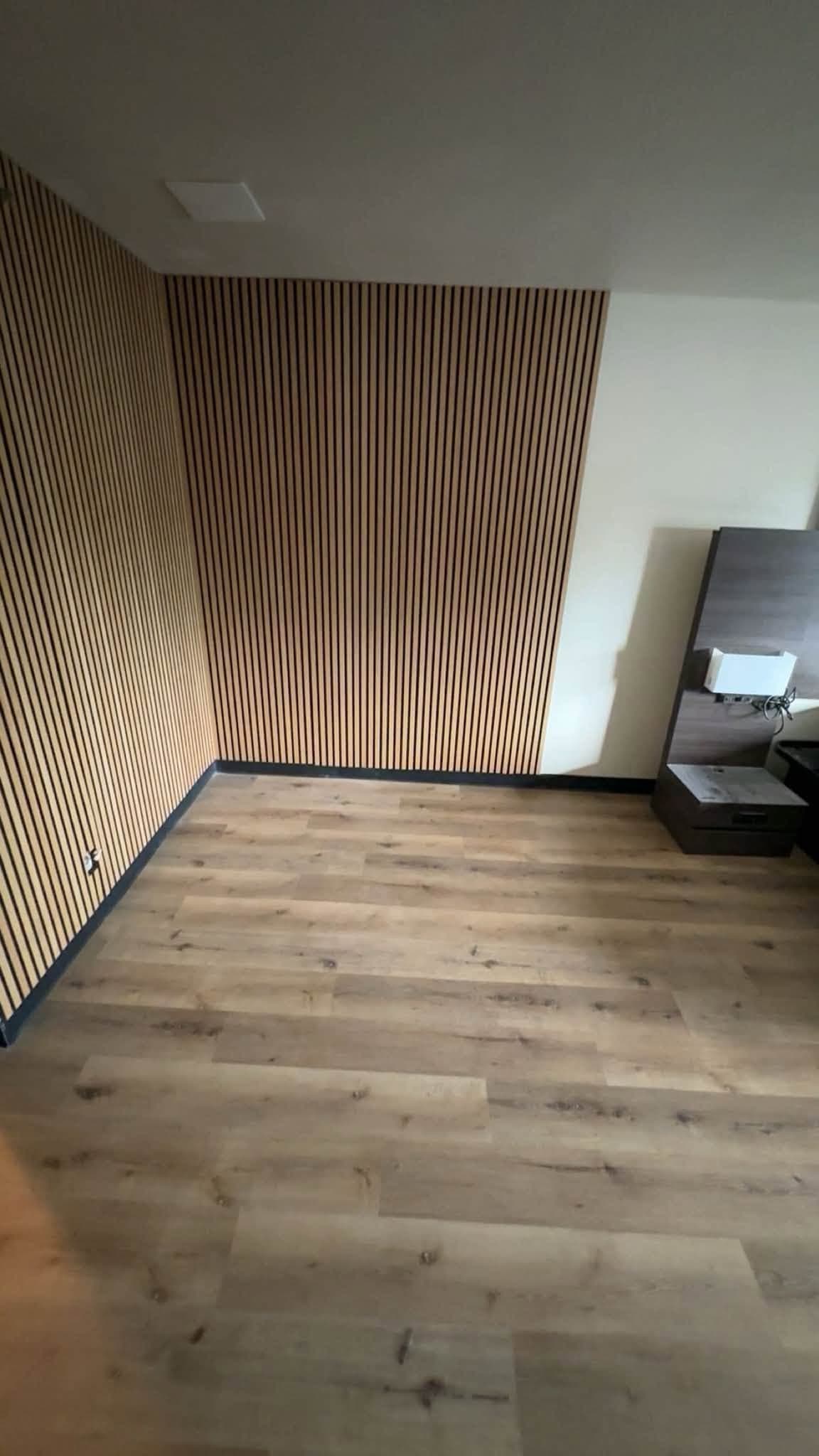
- Write the scope down
- Room by room, surface by surface: what is being changed, what is being left alone, and how finished each thing needs to end up. Anything that stays a conversation will be remembered two different ways.
- Say what is fixed and what is flexible
- The budget, the date, and the two or three things that actually matter to you. A job with a hard deadline and a job with a hard budget get planned differently, and knowing which one you have changes the advice you should be given.
- Make the selections early
- Colors, finishes, fixtures, hardware. Every undecided item is a place the schedule can stall later, and a stall in the middle of a remodel costs far more than the same stall would have cost at the start.
- Agree how changes get handled
- Before anything is opened up: how a surprise gets priced, who signs off on it, and how it gets recorded. Five minutes at the beginning or a bad week at the end.
- Plan for the room being gone
- Where furniture goes, which route the work takes through the house, what has to keep working while it happens, and roughly how long you are without the room.
What moves the schedule
A remodel’s schedule is mostly other people’s schedules. What actually moves it:
- How fast decisions land
- The single largest lever on the calendar, and the one that belongs to the homeowner rather than the trade.
- Lead times on anything ordered
- A fixture with a long lead time sets the date of the day it goes in, no matter how smoothly everything around it went.
- How many trades have to sequence
- Every handoff between trades is a place a week can go missing. The more trades a job needs, the more of the calendar belongs to whoever is available when.
- What turns up behind the wall
- Unknown until it is known. In an older house it is less a risk than a near-certainty, which is why the change process is agreed before it is needed.
- Inspections, where they apply
- They happen when they happen, and finish work waits on them. Building that into the plan is more honest than pretending the date is entirely ours to choose.
- Whether the house is occupied
- Working around a family living in the house is slower than working in an empty one. That is a fair trade — it just has to be scheduled and priced as what it is.
What the estimate settles
Everything above is true of this work anywhere. These are the parts nobody can answer from a photograph on a screen — they get answered on your property, with the surface in front of both of you.
- Exactly what is in scope, in writing, before a date gets discussed.
- Which parts are finish work and which parts need another trade on the job.
- What happens, and what it costs, when something behind the wall changes the job.
- The order things happen in, and what is out of service while they do.
- What has to be decided now and what can wait without stalling the schedule.
Free Estimates
Send a photo and two sentences about what you are looking at. That is enough to start the conversation — Manny comes to you across Rapid City and the Black Hills, so the next step is usually a walkthrough.
The other three
- Interior & Exterior PaintingWalls, ceilings, trim, siding — everything the light lands on, inside and out.
- Deck & Fence StainingDecks, rails, fences and gates — finishes for wood that lives outdoors all year.
- Drywall & TextureBoard, tape, coat, texture — and matching what is already there so a repair stops being visible.